Institutionalized
When I was a teenager, I used to watch some of the crazier ABC After School Specials in the afternoon when I was high and thought they were hilarious. The television show and some films of the era depicted controversial teenage morality tales with stories of runaways, drug abuse, and all-around wayward kids—films like Over the Edge, Angel Dusted, and Suburbia. I related to it to some extent, but the melodrama of nice honor students turning delinquent—getting caught in the wrong situations—made it funny. Scenes of teens hiding in secret blacklight rooms (Stoned) to smoke pot, hustling on the streets (Angel), or doing PCP and driving a car off a cliff while saying “Whee!” (Desperate Lives) were sublime in their misguided earnestness.
In retrospect, I feel like I lived the most twisted times during my teenage years.
I drank whiskey since I was twelve, and by the time I was fourteen, I had smoked pot a few times. An abusive childhood affected me in rebellious ways, and I had anger issues. I outgrew the beatings and became fascinated with fire and destruction. The police would visit my house after an episode, and I would run and hide—a pattern that I kept through most of my teens.
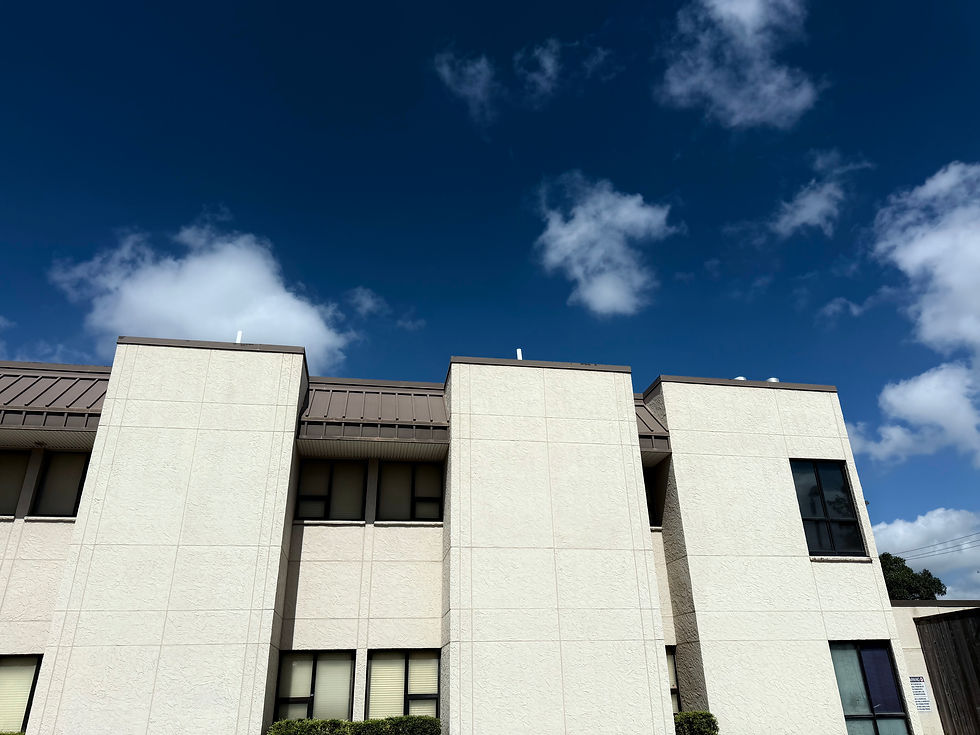
In the spring of 1985, the police picked me up at school on a mental health warrant. That was how rehab facilities operated back then. I was in shock, and there was no way to run. The cops drove me far across town to a place called West Oaks. All the doors magnetically locked, and the finality of the buzzer and the click of the lock sank in. The cops escorted me out of reception to Unit Four, which later I learned was the drug unit, and left me in custody of a psychiatric doctor.
The coed unit had separate rooms for boys and girls, each with a roommate. The rooms were on opposite sides of the atrium, whose triangular area held couches and chairs. The rest of the layout included a large group meeting room, private one-on-one rooms, a rec room with a TV, a quiet room, and a nurse’s station by the magnetically locked doors. The quiet room was a padded cell with a small window in the door. The orderlies would take kids who had an outburst or tantrum and leave them there to cool off, sometimes tied with restraints and shot up with thorazine.
West Oaks was divided into units. Each unit housed different mental disorders. My unit, Unit 4, was the drug rehabilitation unit. I found the other units kind of scary, with potentially dangerous inmates within the walls. It’s weird to consider being locked up there at fourteen.
The level system went from zero to four. Starting at level zero, I could not leave the unit and had no privileges. I felt lost and abandoned, and I hated it. I participated forced therapy sessions—one-on-one, group, family, and so on—and spent my spare time watching the outside world through the thick Plexiglas window in my room, listening to metal.
After about a month, I moved up to Level One. It allowed me to leave the unit and go to the cafeteria for meals, a classroom on the psychiatric hospital campus for school, and to have visitors. My mom brought me some belongings from home and I begged her to get me out but she wouldn’t budge.
I swallowed the injustice and played the game, and Level Two came a few weeks later, allowing access to the swimming pool on Saturdays with supervised time in the yard, surrounded by a twenty-foot-high cement wall. I saw a guy and a girl make a run for the wall, and the girl made it over. The police brought her back three days later.
Away from my room, the orderlies searched it one day and took all my Stephen King books and Fangoria magazines from me so I could focus on therapy. I kept my temper in check. A psychiatrist asked why I never expressed myself when I was violent or angry, and I said, “I can’t get away with it here,” because I was not going to the quiet room. I was a bit claustrophobic, and the idea of restraints in that room freaked me out.
I switched rooms right before Level Three. My new roommate was more chill, unlike the broody one before, who I got into a fight with. The orderlies locked him in the quiet room, and somehow I talked my way out of it. The new level allowed weekend field trips in the hospital van. Trips included NA (Narcotics Anonymous) meetings, jogging at Memorial Park, shopping at the Galleria Mall, and even catching a movie if it fit the allotted time.
Toward the end of my stay, I was briefly on Level Four, and I gained access to home visits and possible overnight stays. The touches of “normal life” made going back behind the thick Plexiglas windows and magnetically locked doors difficult. About two weeks later, my insurance ran out. My doctor released me from West Oaks with one condition: day treatment three times a week.
I was one of the youngest ones at fourteen. Most of the teenage patients were older, but they were generally cool to me. Everyone had their quirks; some were violent, some were sad, others escaped any way they could, and one guy who had taken too much acid just sat and drew weird pictures all day. There was a lot of angst and sexual repression, with our crazy teen hormones running rampant. No one wanted to be there, but we adapted to the situation.
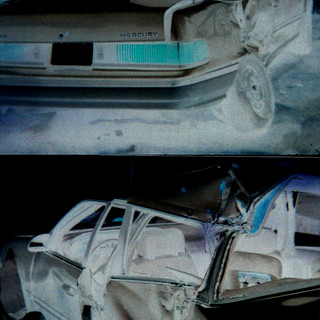
All in all, those six months shaped my future, but not for the better until the aftermath of my second car wreck at nineteen. A couple of films that haunted me afterward (in a good way) were That Was Then… This Is Now and Lost Angels, both about locked-up kids.
Dean Cade